
Which Protein Supplements Are Actually Worth Taking?
From minimalist pea-protein powders to creatine combinations and the world’s best-known whey formula, we look at the brands taking protein formulation, sourcing, and quality seriously.
Protein has become one of the biggest stars of the wellness industry. It’s in our breakfast smoothies, post-workout shakes, snack bars, coffee, and increasingly, everyday foods that never used to have anything to do with muscle recovery. But with so many products competing for space on the shelf, choosing a protein supplement is no longer simply a matter of finding the highest number of grams per scoop. The source of the protein, the quality of the ingredients, the formulation, and what else goes into the mix all deserve a closer look. In addition, not all protein is created equal. Whey, pea protein, collagen, and multi-protein blends each have different nutritional characteristics and serve different purposes. Some prioritize muscle recovery, others offer a dairy-free alternative, while newer combination formulas add ingredients such as creatine to simplify supplementation.
We looked at products from four brands taking distinctly different approaches: Factor, Nuzest, Optimum Nutrition, and Ancient Nutrition. The goal isn’t simply to find the biggest scoop of protein. It’s to identify products that get the fundamentals right: thoughtful formulation, quality ingredients, transparent sourcing, and nutritional value that goes beyond clever marketing.
Optimum Nutrition: The established heavyweight of sports nutrition
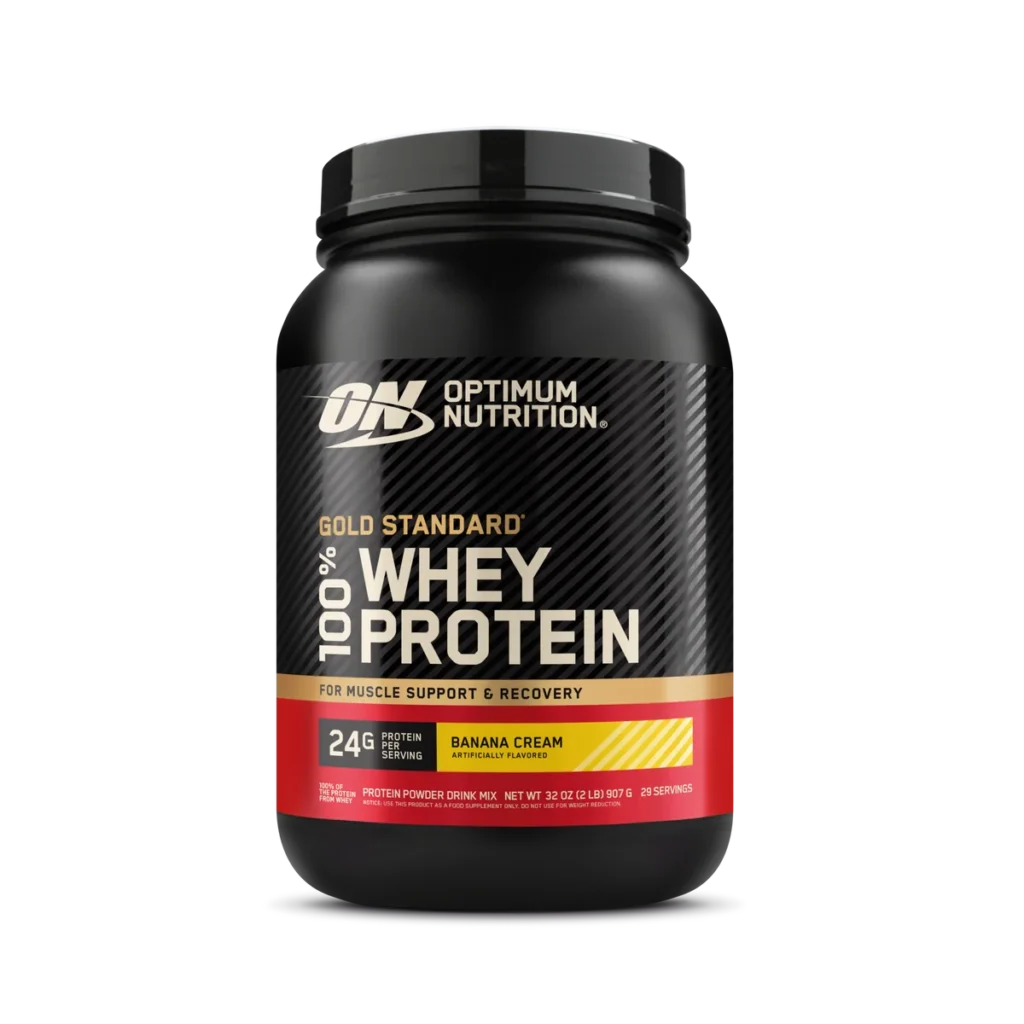
Best for: People who want a proven, mainstream whey protein with a long-standing presence in the sports-nutrition market.
If protein supplements have a household name, it’s probably Optimum Nutrition. Its Gold Standard 100% Whey has become one of the most recognizable products in the category, serving as a benchmark for mainstream whey protein. The brand describes itself as the world’s No. 1 sports-nutrition brand, and Gold Standard is its flagship protein powder. For this comparison, Gold Standard 100% Whey is the reference product. Its formulation provides 24 grams of protein and 5.5 grams of naturally occurring branched-chain amino acids (BCAAs) per serving, with whey protein isolate as its primary protein source.
Whey protein is particularly popular because it is a complete protein, containing all nine essential amino acids, and provides a substantial amount of leucine, which plays an important role in stimulating muscle protein synthesis. Gold Standard’s combination of whey isolate, whey concentrate, and hydrolyzed whey makes it a familiar option for consumers looking for a conventional post-workout protein. The brand also offers more than 15 flavors, making it easy to find an option that fits into an everyday routine.
There is also a quality-control element worth noting. Optimum Nutrition states that Gold Standard is banned-substance tested, an important consideration for competitive athletes and consumers concerned about supplement quality. Its popularity doesn’t automatically make it the best product for everyone. Those avoiding dairy, for example, will need to look elsewhere, and consumers particularly concerned about minimal ingredients may prefer a simpler formulation.
Additional product evaluation:
Gold Standard 100% Whey remains one of the strongest all-around options when protein quality and cost are the main considerations. Each approximately 31-gram scoop provides 24 grams of protein, 5.5 grams of naturally occurring BCAAs and whey protein isolate as its primary protein source, supported by whey concentrate and hydrolyzed whey. This combination supplies all nine essential amino acids and a substantial amount of leucine, making it particularly suitable for supporting muscle maintenance, recovery and strength training. Its formulation is less minimalist than its name might suggest, with ingredients varying by flavor, including flavorings, emulsifiers and sweeteners, but it remains a relatively conventional sports-nutrition formula rather than an elaborate supplement blend. One significant advantage is quality assurance: Gold Standard is Informed Choice certified, providing additional reassurance for consumers concerned about banned substances. It is also designed to mix easily with water or milk, and its extensive flavor selection makes it easier to find an option for regular use. The lighter consistency of a conventional whey shake is generally convenient for everyday consumption, although individual tolerance can vary, particularly for people sensitive to dairy or lactose. At approximately $131.99 for 73 servings, the large container works out to around $1.81 per serving, offering particularly strong value for a protein source with a complete amino acid profile. Smaller containers cost more per serving. Overall, Optimum Nutrition delivers one of the most compelling combinations of protein quality, established testing credentials, ease of preparation, flavor variety and affordability in this comparison.
The verdict: Optimum Nutrition is the established market benchmark. It offers a useful comparison point for newer and more specialized protein brands, particularly when evaluating protein content, amino acid profile, flavor variety, and sports-nutrition credentials. It’s a strong mainstream option, although market leadership and ingredient minimalism are two different things.
Nuzest: A cleaner approach to plant-based protein
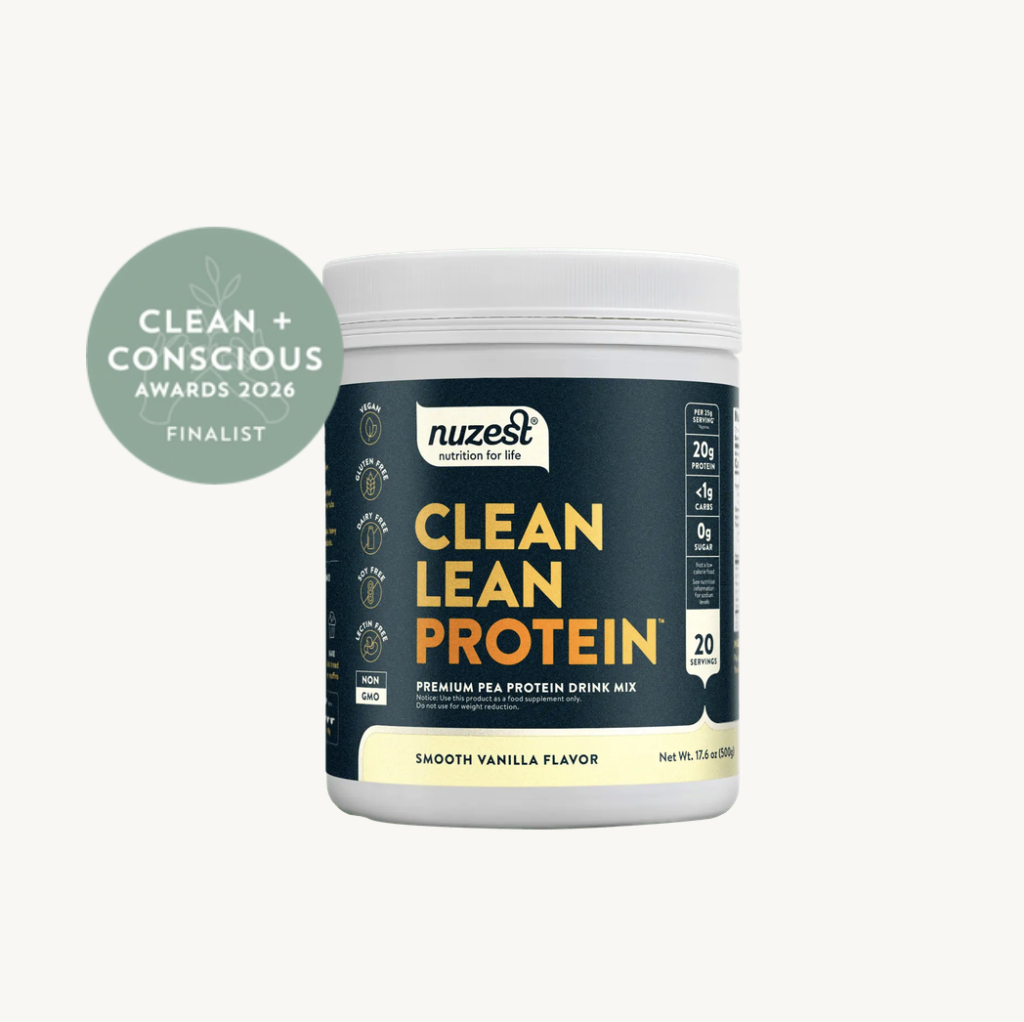
Best for: People looking for a straightforward, plant-based protein powder with an emphasis on ingredient simplicity.
Nuzest takes a more focused approach to protein supplementation. Its Clean Lean Protein is made from European golden peas, offering a dairy-free alternative to the whey-based powders that dominate much of the market. We tried both Chocolate and Vanilla.
Pea protein has become an increasingly popular choice for people avoiding dairy or simply looking to diversify their protein sources. It contains all nine essential amino acids, although its amino acid profile differs from whey, particularly in its methionine content. What makes Nuzest interesting is its emphasis on a relatively straightforward formula rather than an unnecessarily complicated ingredient list. Its Chocolate formula, for example, lists pea protein isolate, cocoa powder, natural flavor, and thaumatin. The Vanilla version is similarly simple. The manufacturer’s US nutrition information lists approximately 18–20 grams of protein per 25-gram serving, depending on flavor. That’s a useful reminder to look at the actual nutrition panel rather than relying on the headline protein claims. The brand also emphasizes its European golden pea sourcing and minimal processing. Its product range includes athlete-screened options, an additional consideration for consumers who prioritize sports-nutrition quality assurance. Chocolate and Vanilla provide two familiar options that can be incorporated into smoothies or mixed into everyday recipes.
Additional product evaluation:
Nuzest stands out for its relatively short ingredient list and single-source European golden pea protein formulation. Depending on flavor, Clean Lean Protein provides approximately 18–20 grams of protein per 25-gram serving, with no added sugar in the US formulations examined. Chocolate and Vanilla have slightly different ingredient lists, but both avoid the long lists of gums, fillers and additional functional ingredients found in some competing powders. Pea protein supplies all nine essential amino acids, although its relatively low methionine content and lower leucine concentration compared with whey are worth considering when muscle maintenance and recovery are the primary goals. The manufacturer publishes amino acid information and describes its sourcing and laboratory quality controls, although this should not be confused with a named independent sports certification. Nuzest also has a practical advantage in preparation: its fine powder is designed to mix with water or milk alternatives, and the manufacturer describes its texture as smooth and less chalky than many plant-based alternatives. Chocolate offers a more cocoa-forward flavor, while Vanilla is a more versatile option for smoothies. At approximately $44.99 for 20 servings, or $2.25 per serving at the reference retail price, it is more expensive per gram of protein than many conventional whey powders. Nevertheless, its straightforward formulation, dairy-free composition and sourcing make it an appealing option for consumers who prioritize ingredient simplicity and plant-based nutrition.
The verdict: Nuzest is worth considering for anyone who wants a plant-based protein without an elaborate supplement blend. Its focus on pea protein, relatively short ingredient lists, and sourcing makes it an appealing alternative to conventional dairy-based powders.
Ancient Nutrition: Beyond conventional protein powders
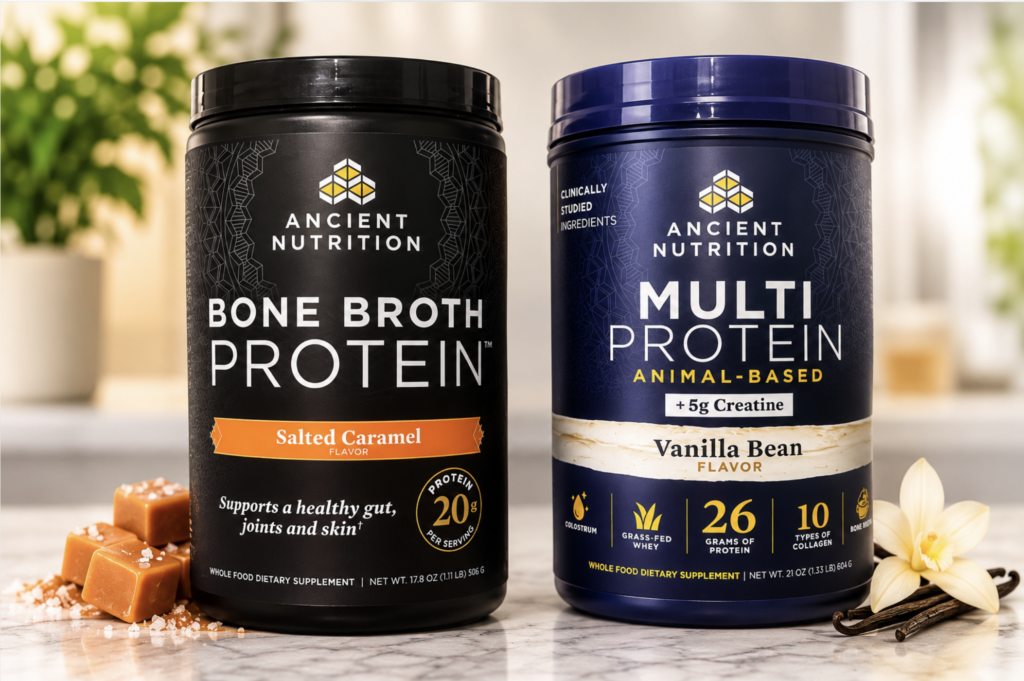
Best for: Active consumers interested in multiple protein sources, collagen, bone broth, and functional ingredient combinations.
Ancient Nutrition takes a broader approach to protein supplementation, offering formulas that go beyond the conventional whey shake. Its products combine traditional protein sources with ingredients such as collagen, bone broth, and creatine.
We looked at two offerings:
- Multi Protein + 5g Creatine Powder, in Vanilla Bean and Dark Chocolate.
- Bone Broth Protein Powder, in Salted Caramel.
The Multi Protein + 5g Creatine is the more elaborate of the two. Rather than relying on a single protein source, its formula combines grass-fed whey, bone broth protein, A2/A2 milk protein, collagen peptides, and grass-fed colostrum. Each serving provides 26 grams of protein alongside 5 grams of creatine monohydrate. There’s also a protein digestion blend featuring protease and Bacillus coagulans. The idea is to bring several commonly purchased supplements together in one convenient scoop. The creatine dosage is particularly noteworthy. Five grams of creatine monohydrate is a well-established daily supplemental dose, making this more than a token addition to a protein powder.
The second product, Salted Caramel Bone Broth Protein, takes a more focused approach. Bone broth protein is an interesting alternative to conventional whey, particularly for consumers interested in collagen-derived protein and looking to diversify their protein sources. Its appeal lies in its bone-broth-based formulation and the opportunity to incorporate it into smoothies or everyday drinks without relying on a traditional dairy-based protein shake. The Salted Caramel flavor also offers something different from the usual chocolate-and-vanilla lineup.
One nutritional distinction is worth keeping in mind: collagen and bone-broth-derived proteins do not have the same complete amino acid profile as whey. They’re not direct substitutes when the primary goal is maximizing muscle protein synthesis. Consumers should look at the protein source and amino acid profile rather than treating all grams of protein as interchangeable.
Additional product evaluation:
Ancient Nutrition offers two quite different experiences through its Multi Protein + 5g Creatine and Salted Caramel Bone Broth Protein formulas. The multi-protein product combines grass-fed whey, A2/A2 milk protein, collagen peptides, beef and chicken bone broth proteins, fish collagen and colostrum, providing 26 grams of protein and 5 grams of creatine monohydrate per serving. It also includes protease and Bacillus coagulans as a digestion-focused blend. The 5-gram creatine dose is a meaningful inclusion, potentially eliminating the need to purchase and measure a separate creatine supplement. However, the extensive ingredient list makes this a considerably more complicated formula than a conventional whey powder, and the presence of multiple animal-derived ingredients means it is unsuitable for people avoiding dairy or other animal products. Importantly, the collagen and bone-broth fractions should not be considered nutritionally interchangeable with complete whey protein when evaluating muscle-building potential. The separate Salted Caramel Bone Broth Protein is more focused, providing approximately 20 grams of protein per 25.3-gram scoop, primarily from beef bone broth concentrate, alongside coconut-derived MCTs, natural flavors and sweeteners. It offers a different flavor profile from conventional chocolate and vanilla powders, although its collagen-derived protein profile makes it better viewed as a complementary protein source than a direct whey replacement. Both products are designed to be mixed into liquids or smoothies, but their thicker, more distinctive formulations may appeal differently depending on individual taste and texture preferences. Digestibility is also individual, and the inclusion of digestive enzymes does not guarantee that everyone will tolerate the formulas equally well. At a reference price of $52.95 for 20 servings, the Salted Caramel product costs approximately $2.65 per serving before discounts. The Multi Protein + Creatine formula provides more functional ingredients in one scoop, although its current retail price needs confirmation. Overall, Ancient Nutrition is most interesting for consumers who specifically want a combination of protein sources, collagen-related ingredients and creatine, rather than those simply seeking the most economical way to increase daily complete protein intake.
The verdict: Ancient Nutrition is one of the more interesting brands in this comparison because it approaches protein from two different angles. The Multi Protein + Creatine is an ambitious all-in-one formula for active consumers, while Salted Caramel Bone Broth Protein offers an alternative for those interested in collagen-rich protein sources. Both demonstrate how the category is expanding beyond the traditional whey shake — although their nutritional purposes aren’t identical.
Factor: Protein designed for modern, busy lives
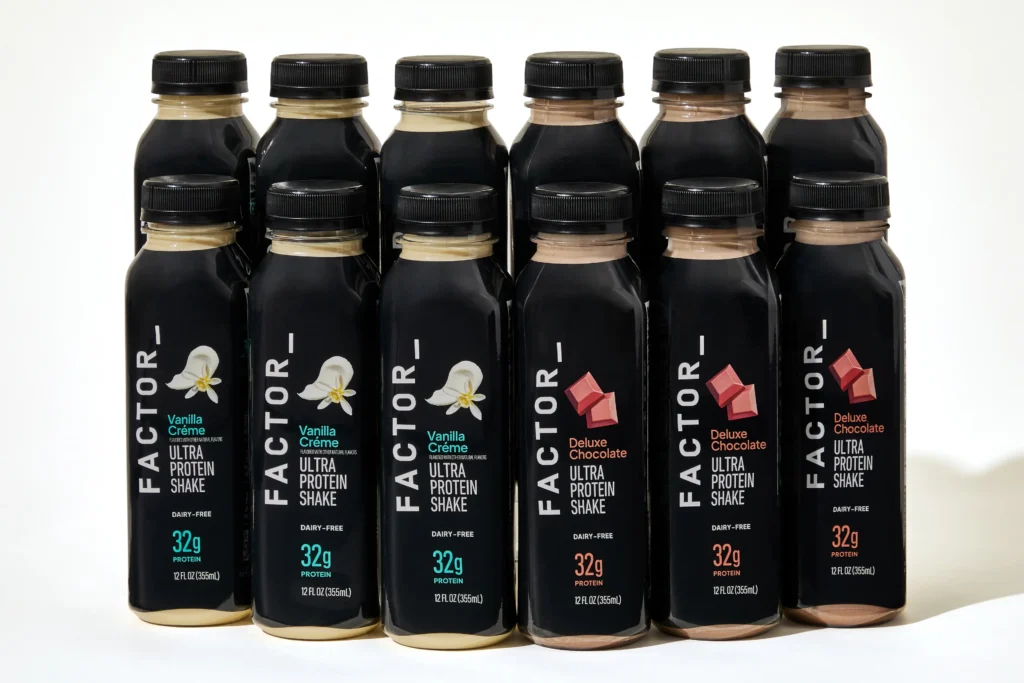
Best for: Convenience, variety, and people looking for more functional combinations of protein and other supplements.
Factor is best known for its prepared meals, but its expanding supplement range takes the brand into another part of the everyday nutrition market. Its approach is less about a single signature protein powder and more about offering different formats and combinations that fit into busy routines. We looked at the Ultra Protein Shake Variety Bundle, Power Trio and Protein Shake Variety Pack Bundle, Multi Collagen Protein Powder, and Multi Protein + Creatine in both Chocolate and Vanilla.
The variety bundles are appealing for anyone who doesn’t want to commit to one flavor or format. Having different options available makes it easier to incorporate protein into an everyday routine, whether that’s after a workout, between meals, or when a busy schedule makes a proper snack less likely. The Multi Collagen Protein Powder takes a different approach, bringing collagen into the supplement conversation. Collagen is particularly interesting to consumers looking beyond traditional muscle-focused protein, including those interested in connective tissue and skin health. However, collagen has a different amino acid profile from conventional complete proteins and shouldn’t be treated as a direct replacement for whey or a well-formulated plant protein when muscle building is the objective. The Multi Protein + Creatine combination is perhaps the most interesting proposition for active consumers. Combining protein with creatine makes practical sense for people who already use both supplements and would prefer a streamlined routine rather than buying and measuring separate products.
The distinction is worth understanding: protein supplies the amino acids needed for muscle repair and maintenance, while creatine supports the rapid energy demands of high-intensity exercise. Creatine monohydrate, in particular, is among the most extensively researched sports-nutrition ingredients, with evidence supporting improvements in strength and exercise performance. The important consideration is the actual creatine dose and protein content per serving. A combination product is only as useful as its formulation.
Additional product evaluation:
Beyond convenience, Factor’s ready-to-drink shakes offer some interesting nutritional differences. Its Ultra Protein Shake range delivers 32 grams of protein per 12-ounce bottle, using pea protein as its primary source, alongside 6 grams of fiber. The Power Trio range takes a different approach, combining brown rice, pea and chickpea proteins to provide 18 grams of protein and 7 grams of fiber per bottle. Both are plant-based and use ingredients such as coconut sugar, monk fruit and stevia for sweetness. The added chicory root and agave fibers may be beneficial for fiber intake, although people with sensitive digestion may find larger amounts of prebiotic fiber less comfortable. The ready-to-drink format eliminates preparation, measuring and mixing, making these products particularly practical for travel, work or post-exercise convenience. Flavor choices such as Chocolate, Vanilla Crème, Cold Brew Latte and Matcha also offer more variety than traditional protein powders. However, the formulas contain stabilizers and emulsifiers, so they are not quite as minimalist as a single-ingredient protein powder. Cost per serving and independent product-specific testing should be confirmed before making a value or quality comparison. Overall, Factor’s strongest advantage is convenience and relatively high protein content in a portable format, rather than ingredient minimalism.
The verdict: Factor offers an appealing range for people who value convenience and flexibility. The combination formulas are particularly interesting for anyone looking to simplify their supplement routine, while the variety bundles make it easier to explore different options before settling on a favorite. The real differentiator will be the nutritional details behind each formula, rather than the number of products in the bundle.
The protein supplement scorecard: Four different philosophies
| Brand | What sets it apart | Best suited to |
|---|---|---|
| Factor | Protein shake variety packs, multi-collagen powder, and protein + creatine combinations | Convenience, variety and functional supplementation |
| Nuzest | European golden pea protein, relatively short ingredient lists, and plant-based formulation | Dairy-free nutrition and ingredient simplicity |
| Optimum Nutrition | Gold Standard Whey, established sports-nutrition credentials and a widely recognized flagship formula | Traditional whey protein and workout recovery |
| Ancient Nutrition | Multi-source protein, bone broth, collagen, colostrum, 5g creatine formula, and Salted Caramel Bone Broth Protein | Alternative protein sources and all-in-one supplementation |
The takeaway: Factor wins on convenience, Nuzest on plant-based simplicity, Optimum Nutrition on established sports-nutrition credentials, and Ancient Nutrition on formulation variety and functional combinations.
What actually makes a good protein supplement?
The protein industry has become crowded enough that a little label-reading goes a long way. Here are five things worth considering before buying another tub.
1. Look beyond the grams per serving.
A product advertising 25 grams of protein isn’t automatically better than one offering 20 grams. Consider the protein source, amino acid profile, serving size, and whether the product provides sufficient essential amino acids and leucine to support muscle protein synthesis.
2. Pay attention to sourcing.
Where ingredients come from and how they’re processed can matter. Look for brands that explain their protein sources, manufacturing standards, and quality-control procedures rather than relying entirely on broad claims such as clean or natural.
3. Consider independent testing.
Third-party certification and independent testing can provide additional reassurance about ingredient identity, contaminants, and label accuracy. NSF Certified for Sport and Informed Sport are particularly relevant for athletes concerned about banned substances. Not every good product carries these certifications, but transparency about testing is a meaningful quality signal.
4. Understand what the additional ingredients actually do.
Creatine, collagen, vitamins, and other functional ingredients can make a formula more interesting, but they should have a clear purpose. Creatine monohydrate has substantial research behind it. Collagen has a different amino acid profile and is not a substitute for complete protein when the goal is supporting muscle growth.
5. Choose something you’ll actually use.
The most sophisticated formulation in the world isn’t particularly useful if the powder tastes unpleasant, mixes poorly, or sits untouched in the pantry. Flavor, texture, convenience, and compatibility with your daily routine matter.
The bottom line: The best protein is the one that fits your goals
There isn’t one universal winner in the protein-supplement market. The right choice depends on what you’re trying to achieve, your dietary preferences, and how much importance you place on convenience, sourcing, and formulation.
Factor offers variety and convenience, including combination formulas that bring protein and creatine together. Nuzest takes a more focused approach to plant-based protein, while Optimum Nutrition represents the established mainstream whey category. Ancient Nutrition offers a different approach through its multi-source and bone-broth-based formulations. For anyone building a daily nutrition routine, these are four distinct approaches worth understanding. Ultimately, the strongest products aren’t necessarily those with the longest ingredient lists, the most impressive marketing claims, or the biggest numbers on the front of the tub. They’re the ones that get the fundamentals right: appropriate protein sources, thoughtful formulation, transparent quality standards, and ingredients that serve a genuine nutritional purpose.
Because when it comes to supplements, what’s inside the scoop matters considerably more than what’s printed on the front of the tub.
Be the first to comment on "Protein Supplements, Decoded"